

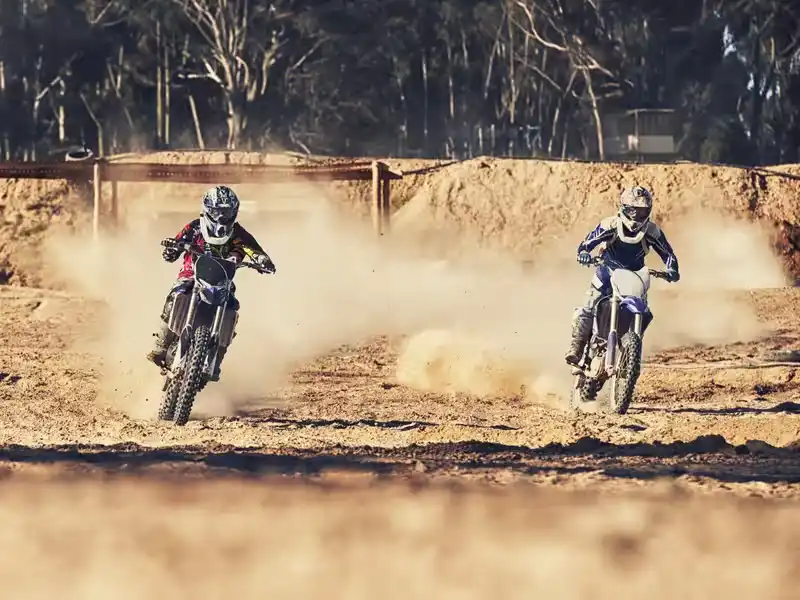
Electric mobility has moved far beyond city transport. It is now noticeably shaping competitive motorsports. One of the clearest signs of this shift is the rise of electric motorcycle races. What once looked like a niche experiment is gradually becoming a structured and expanding global category.
Motorsport has always evolved with technology. From carburetors to fuel injection, from analog timing to digital telemetry, every era has introduced change. Electric racing is the next major step in that evolution. It replaces combustion engines with battery-powered systems while keeping the core spirit of competition intact: speed, precision, and engineering excellence.
Understanding the rise of electric motorcycle races in modern motorsports
Electric motorcycle racing refers to competitive events where motorcycles powered by electric motors compete on closed circuits or controlled tracks. These machines are not commuter bikes. They are purpose-built racing systems designed to test acceleration, endurance, and energy efficiency under extreme conditions.
Unlike traditional racing, there is no fuel strategy. Instead, energy management becomes the key factor. Riders must balance speed with battery consumption, which adds a completely new layer of strategy.
Key factors driving the shift toward electric racing
The growth of electric motorcycle races is driven by several global forces. Environmental pressure is one of the strongest. Motorsport organizations are being pushed to reduce emissions and adopt cleaner technologies.
At the same time, battery and motor systems have improved significantly. Modern electric drivetrains can now deliver instant torque and competitive acceleration, making racing performance realistic.
Audience behavior is also changing. Younger fans are more interested in technology-driven sports and sustainability-focused innovation, which supports the rise of electric categories.
Evolution of electric motorcycles in competitive racing
Electric motorcycle racing began with small experimental events where manufacturers tested early prototypes. These races were not focused on entertainment but on proving that electric bikes could perform under real racing conditions.
Over time, these experiments evolved into structured competitions. Dedicated championships were formed, giving teams a regulated environment to develop performance and strategy.
Milestones in electric racing development
Early milestones included prototype electric bikes competing on real circuits alongside conventional motorcycles. These demonstrations proved that electric systems could handle race-level stress.
Later, dedicated electric racing series were created to focus entirely on this category. This allowed engineers and riders to refine performance without competing directly against combustion engines.
Eventually, electric categories started appearing in mainstream motorsport events, showing that the industry was beginning to accept this new format.
Major championships and platforms for electric motorcycle races
Today, electric motorcycle races are organized through several structured competitions worldwide. Some are standalone championships, while others are integrated into larger motorsport events.
Major manufacturers are now involved, using racing as a testing ground for future consumer technologies. This includes both established motorcycle brands and emerging electric mobility companies.
How organized events structure electric race formats
Most electric motorcycle races take place on closed circuits. Race formats vary depending on the championship but often include sprint races or shorter endurance formats.
Technical regulations control battery size, power output, and weight. These rules are designed to ensure fair competition and encourage innovation within defined limits.
However, one challenge remains: standardization. Different organizations often use different technical rules, which makes it harder to compare performance across competitions.
Technology powering electric motorcycle racing performance
Technology is the core of electric racing development. Instead of focusing on engine tuning, teams focus on battery efficiency, motor output, and software control systems.
Battery performance determines how long a bike can maintain high speed. Motor design influences acceleration and torque delivery. Cooling systems are also critical because high-performance batteries generate intense heat during racing.
Engineering innovations shaping race outcomes
Lightweight materials like carbon fiber are widely used to offset battery weight and improve handling. This helps maintain speed without sacrificing agility.
Regenerative braking systems allow riders to recover energy during deceleration, which can extend usable race performance.
Advanced software also plays a major role. Many teams rely on real-time telemetry and data analytics to adjust energy usage during races.
How electric motorcycle races compare to traditional racing
Electric racing differs significantly from traditional motorcycle racing. Electric bikes offer instant torque, which means faster initial acceleration. However, overall race dynamics depend heavily on battery capacity and energy management.
The sensory experience is also different. Electric races are much quieter, which changes the atmosphere for fans used to loud engines and vibration-heavy environments.
Competitive dynamics on the track
In electric motorcycle races, energy strategy is just as important as speed. Riders cannot simply push at maximum performance for the entire race.
Pit stops are often reduced or eliminated depending on format. This shifts the focus from mechanical adjustments to in-race energy control.
Race pacing becomes more strategic, as early aggressive riding can reduce performance later in the event.
Environmental and economic impact of electric motorcycle races
One of the biggest advantages of electric racing is its reduced direct emissions. This aligns with global sustainability goals and helps motorsport organizations improve their environmental image.
However, the full environmental picture is more complex. Battery production still requires significant resources, and electricity sources vary by region.
From an economic perspective, development costs remain high, especially for teams building competitive electric systems from scratch.
Long-term sustainability challenges
Battery manufacturing has environmental implications, including mining and recycling challenges. These need to be addressed for long-term sustainability.
Energy sources used for charging race vehicles also matter. If electricity comes from fossil fuels, the overall environmental benefit is reduced.
Balancing performance innovation with sustainability goals remains a key challenge for the sport.
Audience reception and market growth of electric motorcycle races
Audience reaction to electric motorcycle racing is evolving. Traditional fans sometimes miss the sound and intensity of combustion engines. However, many are beginning to appreciate the technological focus of electric racing.
Younger audiences are more receptive, especially those interested in sustainability and innovation. Social media has also helped increase visibility through short highlights and digital content.
Sponsorship interest is growing as brands look to align with clean technology and future mobility trends.
Shifting perceptions among traditional racing fans
Some long-time motorsport fans initially question the excitement level of electric racing due to reduced engine noise. However, performance improvements are gradually changing perceptions.
As speeds increase and competition becomes tighter, acceptance continues to grow across broader audiences.
Challenges slowing down widespread adoption
Despite progress, electric motorcycle races still face challenges. High development costs limit entry for smaller teams.
Charging infrastructure at race venues is still developing and not universally standardized.
Regulatory differences between regions also make global consistency difficult.
Technical and logistical barriers
Battery life remains one of the biggest constraints, especially for longer race formats.
Standardizing rules across different championships is another ongoing issue.
Performance gaps between teams can also be large due to unequal access to advanced technology.
Future outlook of electric motorcycle races in global motorsports
The future of electric motorcycle racing looks strong as technology continues to advance. Many experts expect rapid growth over the next decade.
Hybrid formats combining electric and traditional racing may also emerge during this transition period.
Major motorsport organizations are already experimenting with electric categories as part of long-term sustainability planning.
Innovations likely to shape the future
Solid-state batteries could significantly improve performance, safety, and charging speed.
Fast charging and battery swap systems may make races more dynamic and reduce downtime.
Virtual and augmented reality could also enhance fan engagement and make the viewing experience more immersive.
Conclusion
Electric motorcycle racing is no longer a concept. It is a developing reality within global motorsports. While it still faces technical, economic, and structural challenges, its growth is steady and clear.
The combination of environmental priorities, technological progress, and shifting audience expectations is driving its expansion. Electric motorcycle races are unlikely to replace traditional racing, but they will continue to grow as a parallel category that reshapes how speed and competition are defined in the modern era.