

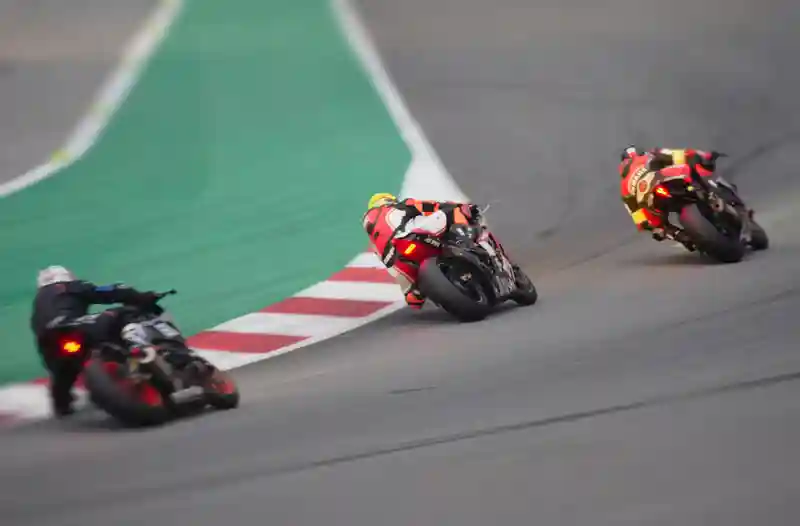
Professional motorcycle racing is a world built on adrenaline, precision, and extraordinary skill. Every turn is calculated, every second counts, and every decision can change the outcome of a race. Yet behind the excitement lies a critical foundation that often goes unnoticed by spectators: safety. Without it, the sport would not be sustainable, and the risks would outweigh the thrill.
Motorcycle race safety is not a single rule or piece of equipment. It is a comprehensive system that combines technology, regulation, training, and discipline. Each layer works together to protect riders while preserving the competitive spirit of the sport. Understanding these measures reveals how deeply safety is embedded in every aspect of professional racing.
The Evolution of Safety in Motorcycle Racing
Safety in motorcycle racing has not always been as advanced as it is today. Over time, lessons learned from past incidents have shaped the protocols and technologies used now.
From Minimal Protection to Advanced Systems
In earlier decades, safety measures were limited, and riders relied heavily on skill and instinct. Today, advancements in materials and design have transformed protective gear and track infrastructure, significantly reducing risks.
Learning From Experience and Innovation
Every improvement in safety has come from careful analysis and innovation. Organizations continuously study incidents to refine rules and introduce better solutions.
Protective Gear: The First Line of Defense
Rider gear is one of the most critical components of motorcycle race safety. It acts as a barrier between the rider and potential harm.
Helmets and Impact Protection
Modern helmets are designed to absorb impact and protect the head during high-speed crashes. They undergo rigorous testing to meet strict safety standards.
Racing Suits and Body Armor
Leather suits reinforced with advanced materials provide protection against abrasion and impact. Integrated armor shields vital areas such as the shoulders, elbows, and knees.
Gloves and Boots for Control and Safety
Specialized gloves and boots enhance grip and stability while offering protection. They are designed to withstand extreme conditions without compromising performance.
Track Design and Safety Infrastructure
The race track itself plays a significant role in ensuring rider safety. Its design and features are carefully planned to minimize risks.
Run-Off Areas and Barriers
Tracks include run-off zones that allow riders to slow down safely in case of loss of control. Barriers are designed to absorb impact and reduce injury.
Surface Quality and Maintenance
A smooth and well-maintained surface is essential for safe racing. Regular inspections ensure that the track remains free of hazards.
Regulations and Governing Bodies
Safety in professional motorcycle racing is enforced through strict regulations set by governing organizations such as Fédération Internationale de Motocyclisme. These rules ensure consistency and accountability across events.
Standardized Safety Protocols
Regulations cover everything from equipment requirements to race procedures. This standardization ensures that all participants adhere to the same safety standards.
Continuous Monitoring and Updates
Rules are regularly updated to reflect new technologies and findings. This adaptability keeps safety measures relevant and effective.
Role of Medical Teams and Emergency Response
Quick and efficient medical response is crucial in high-speed racing environments.
On-Site Medical Facilities
Professional races are equipped with medical centers and trained personnel ready to respond immediately to incidents.
Rapid Response Systems
Emergency teams are strategically positioned around the track to provide quick assistance. Their readiness can make a significant difference in critical situations.
Rider Training and Preparedness
Safety is not only about equipment and rules. It also depends on the skills and awareness of the riders themselves.
Understanding Risk and Control
Professional riders undergo extensive training to handle high-speed situations and respond effectively to unexpected events.
Mental Focus and Discipline
Maintaining concentration is essential. Riders must stay alert and make quick decisions while managing intense pressure.
Technology Enhancing Race Safety
Modern technology has introduced new ways to protect riders and improve overall safety.
Advanced Monitoring Systems
Sensors and data analysis help monitor rider performance and detect potential risks. This information is used to improve safety measures.
Airbag Systems in Racing Suits
Innovative airbag technology provides additional protection during crashes. These systems deploy instantly to reduce impact.
Communication and Coordination During Races
Effective communication is essential for maintaining safety throughout a race.
Flag Signals and Alerts
Track officials use flag systems to communicate hazards and instructions to riders. These signals ensure that everyone is aware of changing conditions.
Team and Rider Communication
Teams provide real-time updates to riders, helping them make informed decisions during the race.
Expert Insight: Safety as a Culture, Not Just a Rule
Experts in motorcycle racing emphasize that safety is not just about following rules. It is a mindset that must be embraced by everyone involved. Riders, teams, organizers, and officials all share responsibility for maintaining a safe environment.
Another key insight is the importance of continuous improvement. Safety measures must evolve alongside the sport. What works today may need to be refined tomorrow as new challenges and technologies emerge.
Experts also highlight the balance between safety and performance. While safety is paramount, it must be integrated in a way that preserves the essence of racing. Achieving this balance requires careful planning and innovation.
Challenges in Maintaining High Safety Standards
Despite advancements, maintaining safety in motorcycle racing remains a complex task.
Balancing Risk and Excitement
Racing inherently involves risk, and reducing it without diminishing the excitement of the sport is a constant challenge.
Adapting to Changing Conditions
Weather, track conditions, and other variables can impact safety. Organizers must be prepared to adapt quickly to ensure rider protection.
The Future of Motorcycle Race Safety
The future of motorcycle race safety lies in innovation and collaboration. New technologies, improved materials, and better data analysis will continue to enhance protection.
As the sport evolves, safety will remain a central focus. The goal is not only to prevent injuries but also to create an environment where riders can perform at their best with confidence.
Conclusion
Motorcycle racing is a celebration of speed, skill, and passion. Yet, behind every thrilling moment is a carefully constructed system designed to protect those who make it possible. Safety measures are not limitations; they are enablers that allow the sport to thrive.
By combining advanced technology, strict regulations, and dedicated professionals, motorcycle race safety ensures that the excitement of racing can continue without unnecessary risk. It is this balance that keeps the sport both exhilarating and sustainable.
FAQs
What is the most important safety gear in motorcycle racing?
Helmets are considered the most critical, as they protect the head from severe injuries, followed by suits and protective armor.
Who sets safety rules in motorcycle racing?
Organizations like the Fédération Internationale de Motocyclisme establish and enforce safety regulations for professional races.
How do tracks improve rider safety?
Tracks use run-off areas, impact-absorbing barriers, and regular maintenance to reduce risks and ensure safer racing conditions.