

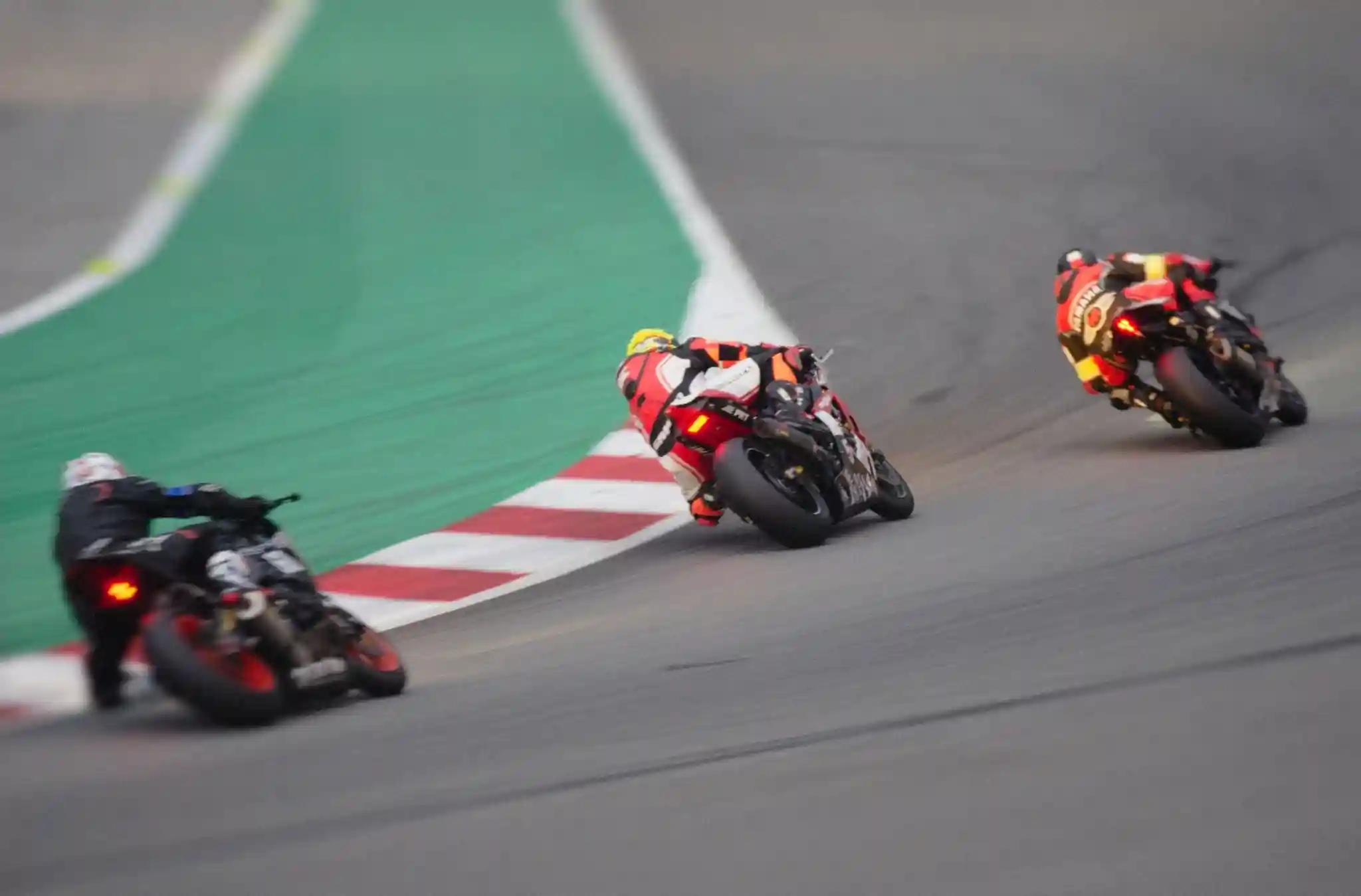
Motorcycle racing looks simple from the outside. Bikes go fast, riders compete, and the fastest wins. But behind that simplicity is a structured system that defines how races are organized. These systems are based on engine size and track type. Together, they shape what we know as motorcycle race types. Understanding these categories helps fans follow the sport more closely and allows riders to choose the right path for their skills. It also explains why different races feel so different in terms of speed, strategy, and intensity.
Engine displacement as a core classification factor
Engine size is one of the most important ways to classify motorcycle race types. It directly affects how fast a bike can go and how it behaves on the track. Smaller engines usually mean less power, while larger engines deliver higher speeds and stronger acceleration. This difference creates distinct racing categories where riders compete on a level playing field. Without this structure, competition would be uneven and less meaningful.
Lightweight classes and entry-level racing segments
Lightweight categories often include engines under 400cc. These classes focus more on rider skill than raw power. Riders must rely on technique, balance, and precision to perform well. This makes them ideal for beginners who are learning race dynamics. In many motorcycle race types, lightweight classes serve as a starting point where riders build confidence before moving to more powerful machines.
Middleweight categories and balanced performance racing
Middleweight classes usually range between 500cc and 800cc. These bikes offer a mix of speed and control, making races more competitive and exciting. Riders in this category must balance aggressive riding with smart decision-making. Many experienced racers prefer this level because it tests both technical ability and race strategy. Among motorcycle race types, this category often delivers the most balanced competition.
Heavyweight and superbike-level competition
Heavyweight classes include high-performance bikes above 1000cc. These are the fastest machines in standard racing formats. They demand strong physical control and advanced skills from riders. Even small mistakes can have big consequences at high speeds. In motorcycle race types, superbike racing represents the peak of performance and is often the most watched category due to its intensity.
Electric motorcycle racing categories and emerging segments
Electric racing is a growing part of modern motorsports. These bikes do not rely on traditional engine sizes, but they are still grouped based on performance levels. Electric motorcycle race types focus on acceleration and efficiency rather than engine displacement. They also highlight sustainability and new technology. As this segment grows, it is expected to become a major part of the racing landscape.
Track-based classifications and race environments
While engine size defines performance, track type shapes how races unfold. Different environments require different riding styles and strategies. This is why motorcycle race types are also classified by the kind of track used. Each type brings its own challenges and excitement.
Closed circuit racing and paved track dynamics
Closed circuit races take place on paved tracks designed specifically for racing. These tracks have smooth surfaces and clearly defined layouts. Riders focus on speed, cornering, and precision. This format is one of the most popular in motorcycle race types because it offers consistent conditions and high-level competition. It also allows fans to watch the entire race from a controlled environment.
Off-road and motocross track classifications
Off-road racing takes place on dirt tracks with uneven surfaces. These tracks include jumps, turns, and obstacles that test rider control. Motocross is a well-known example of this category. In motorcycle race types, off-road racing emphasizes adaptability and quick reflexes. Riders must constantly adjust to changing terrain, which makes these races unpredictable and exciting.
Endurance racing formats and long-distance challenges
Endurance races focus on distance rather than speed alone. These events can last several hours or even days. Teams often share riding duties, which adds a layer of strategy. Maintaining the bike and managing fatigue become just as important as racing speed. Among motorcycle race types, endurance racing highlights consistency and teamwork over short bursts of performance.
Street racing and urban circuit classifications
Street racing uses public roads that are temporarily closed for competition. These tracks are less predictable than closed circuits. They often include narrow sections, sharp turns, and uneven surfaces. Riders must be extremely focused to handle these conditions safely. In motorcycle race types, street racing is known for its high risk and unique challenges.
Hybrid and mixed terrain race formats
Some races combine different types of terrain. Riders may encounter both paved roads and off-road sections in a single event. This requires a versatile skill set and careful planning. These mixed formats add variety and complexity to motorcycle race types. They test a rider’s ability to adapt quickly to changing conditions.
Role of governing bodies in classification systems
Official organizations play a key role in defining race categories. They set rules for engine sizes, track standards, and safety measures. These rules ensure fair competition across all motorcycle race types. Without them, it would be difficult to maintain consistency and safety in the sport.
Safety regulations and technical compliance factors
Safety is a major concern in motorcycle racing. Regulations cover everything from protective gear to bike specifications. These rules influence how motorcycle race types are structured. They also help reduce risks for riders while maintaining competitive integrity. Teams must follow strict guidelines to participate in official events.
Strategic importance of choosing the right race type
Riders do not randomly choose where to compete. They select categories based on their experience, budget, and goals. Some may start in lightweight classes and gradually move up. Others may focus on specific track types that suit their strengths. Understanding motorcycle race types helps riders make better decisions and plan their careers effectively.
Conclusion
Motorcycle racing is more organized than it appears. Engine size and track type work together to create a wide range of categories. Each one offers a different experience for both riders and fans. By understanding motorcycle race types, it becomes easier to appreciate the skill, strategy, and effort behind every race. These classifications are not just technical details. They are what give structure and meaning to the sport.
FAQs
1. Why are motorcycle race types divided by engine size?
Motorcycle race types are divided by engine size to ensure fair competition. Similar engine capacities create balanced performance levels, allowing riders to compete based on skill rather than power differences, which improves race quality and safety across all categories.
2. What is the difference between circuit and off-road motorcycle race types?
Circuit motorcycle race types take place on smooth paved tracks, focused on speed and precision. Off-road races occur on dirt surfaces with obstacles, requiring adaptability, balance, and quick reactions to handle changing terrain conditions effectively.
3. Are electric bikes included in modern motorcycle race types?
Yes, electric bikes are now part of evolving motorcycle race types. They focus on performance metrics like acceleration and efficiency rather than engine size, and they represent a growing shift toward sustainable racing technology in the motorsport industry.
4. Which motorcycle race types are best for beginners?
Lightweight classes within motorcycle race types are best for beginners. These categories focus on skill development, control, and learning race dynamics without the challenges of managing high-speed and powerful machines found in advanced categories.
5. How does track type influence motorcycle race strategy?
Track type strongly influences strategy in motorcycle race types. Smooth circuits require precision and speed, while off-road tracks demand adaptability. Mixed terrain races require flexible tactics, making track conditions a key factor in race planning.